

Consumers rarely consider the complexity involved in placing a premium mango on a supermarket shelf. Yet modern fresh produce supply chains are built on one central requirement: certainty.
Supermarkets must know that fruit will arrive on time, with the expected taste, appearance, shelf life, and compliance with phytosanitary and chemical residue standards. For this reason, the journey of fresh produce exports does not begin in the orchard, but at the very end of the value chain, with consumers and the supermarkets that serve them.
In many developing economies, however, uncertainty is deeply embedded throughout agricultural supply chains. Farmers often plant without knowing who will buy their produce or at what price.
Exporters face inconsistent supply and quality, while supermarkets hesitate to rely on sourcing systems that cannot consistently meet market requirements. The result is a cycle in which farmers remain trapped in unstable, low-value markets despite producing valuable crops.
To help bridge this certainty gap, a demand-driven export model was developed, one that starts with premium supermarket requirements and works backward through the supply chain to align growers, exporters, and technology providers around shared standards.
Within this framework, eco-friendly crop protection, traceability, and compliance become market requirements rather than optional improvements. To reduce operational and compliance risks, supermarkets increasingly rely on pre-approved protocols that deliver consistent, auditable results across seasons.
One of the most critical barriers these systems must overcome is fruit flies, a quarantine pest group responsible for severe losses in fresh fruit production and international trade. In many importing markets, the detection of even a single infested fruit during inspection can result in shipment rejection.
This challenge became highly visible during a mango export program implemented in Senegal in 2021. The program used technology under the FFCTZ (Fruit Fly Certified Trade Zone) protocol, an area-wide crop protection approach designed to suppress fruit fly populations while minimizing pesticide spraying. Rather than relying on intensive late-season spraying, the program demonstrated that coordinated regional management could reduce fruit fly infestation to export-compliant levels while meeting the residue requirements expected by premium retailers.
Conventional wisdom holds that overcoming the combined challenges of eco-friendly fruit fly management, smallholder export integration, and access to premium international markets would require years of infrastructure development and investment.
Yet the Senegal program demonstrated that when market requirements, coordinated protocols, and supply chain alignment work together, meaningful export transformation can occur far more rapidly than commonly assumed.
Senegal’s mango exports to the European market doubled in a single season, with much of the additional volume coming from smallholder farmers who significantly increased marketable yields and reportedly doubled their income.
The broader lesson from Senegal is that sustainable agricultural exports cannot rely on isolated technologies alone. The Senegalese experience suggests that the future of premium agricultural exports will depend on systems that align growers, technologies, and markets into a single, coordinated, and trusted supply chain.
Dr. Nimrod Israely
CEO, Biofeed and Dream Valley
nisraely@biofeed.co.il
nimrod@dreamvalleyglobal.com
M./WhatsApp +972-542523425
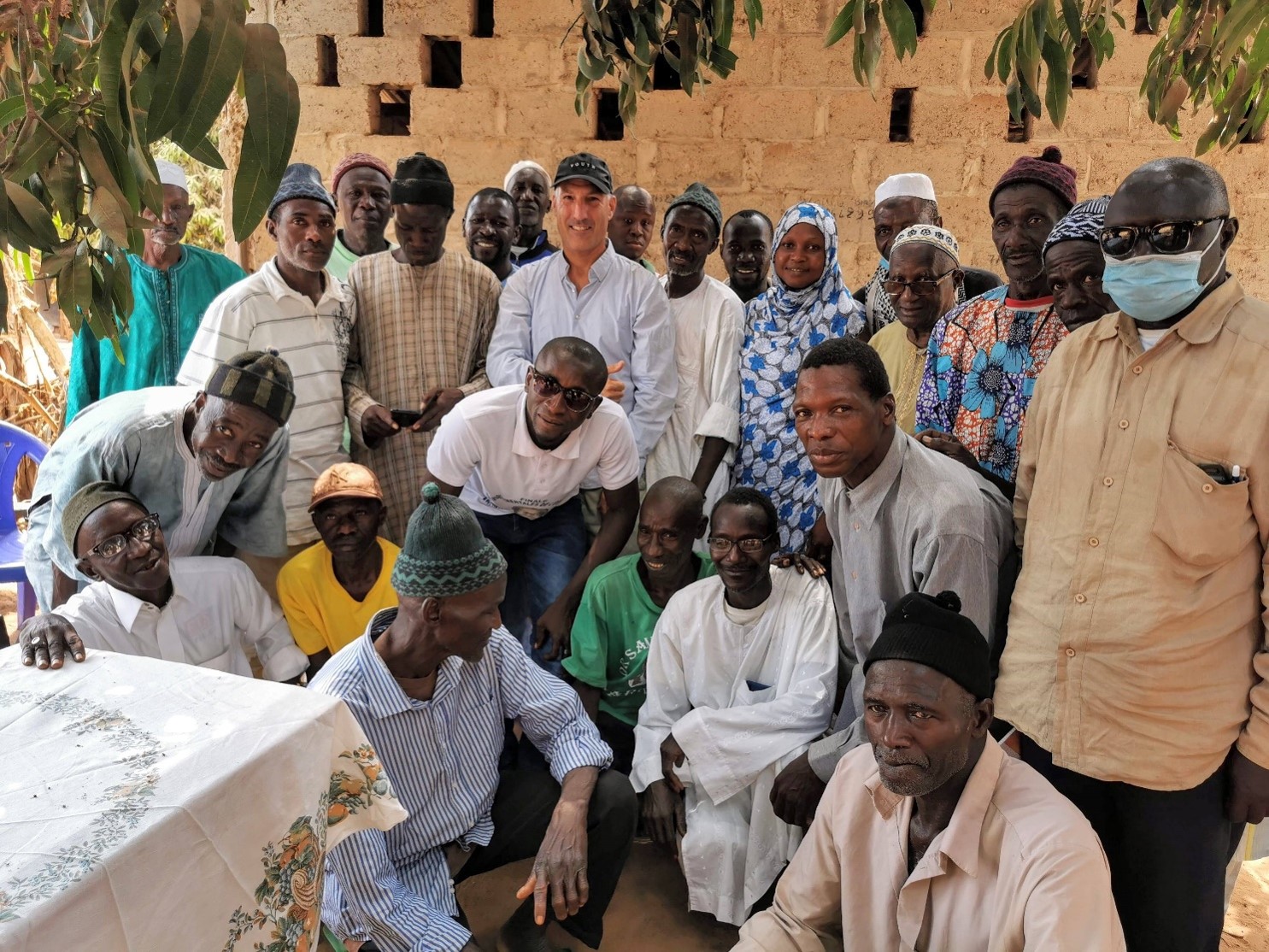
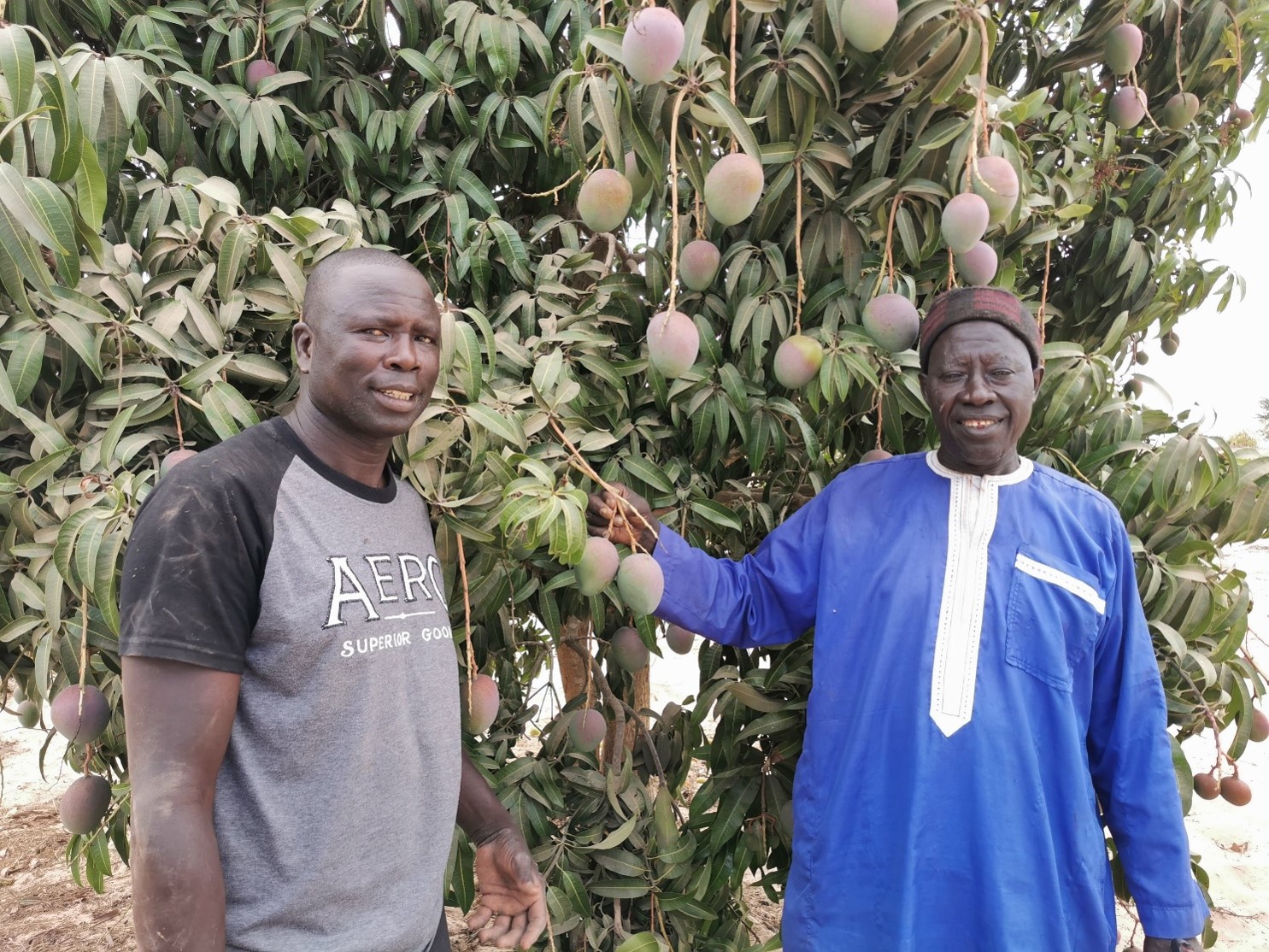
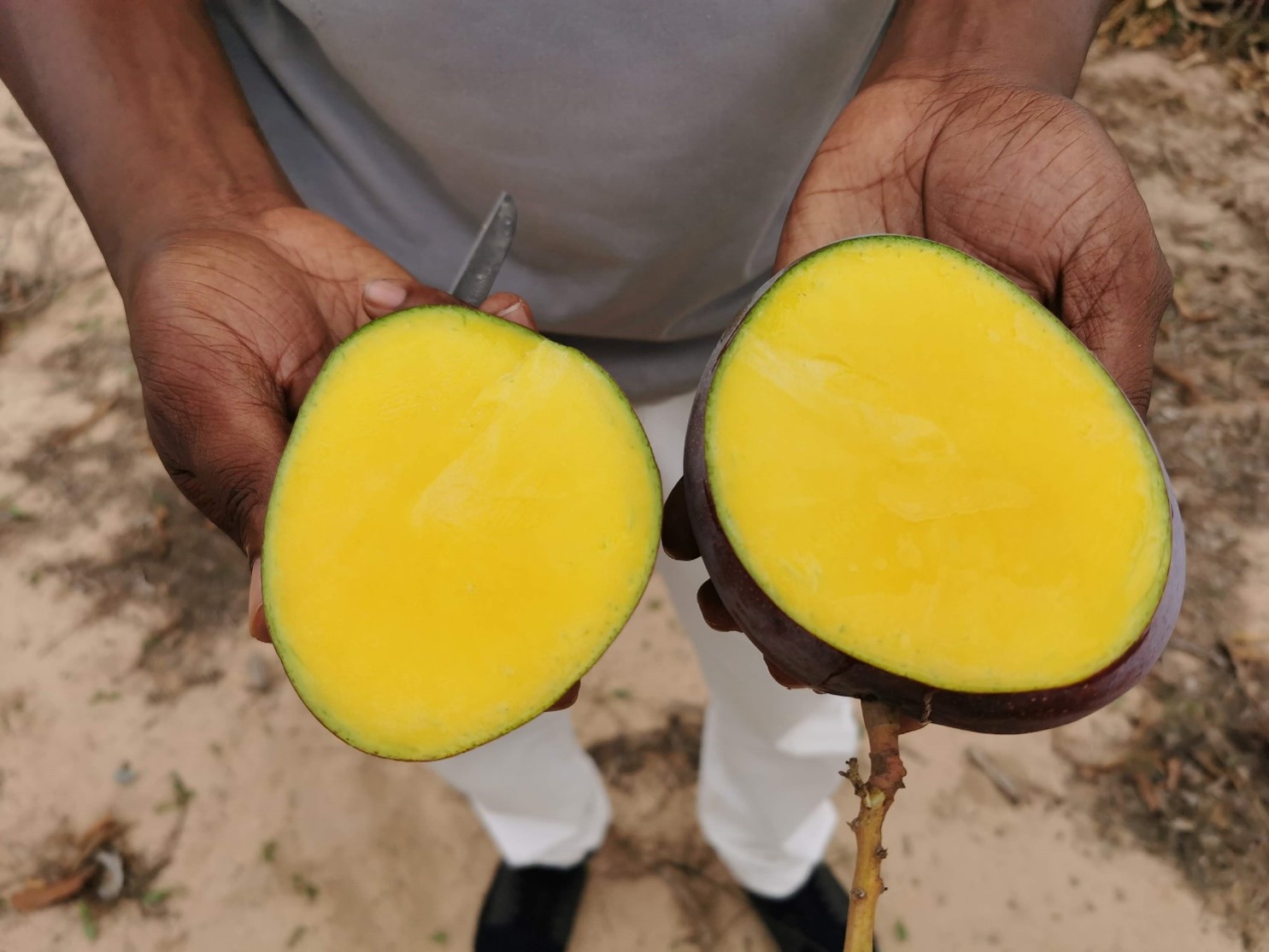

Photo credit: Dr. Nimrod Israely