After a week of meetings with members of the Kenyan guild, Media for Environment, Science, Health and Agriculture (MESHA), and partners supporting our 2025 Congress, I am counting the days to an unforgettable meeting in Nairobi in October.
By Steve Werblow
After a week of meetings with members of the Kenyan guild, Media for Environment, Science, Health and Agriculture (MESHA), and partners supporting our 2025 Congress, I am counting the days to an unforgettable meeting in Nairobi in October.
Aghan Daniel, Philip Keitany, Violet Otindo and I met with dozens of partners, including the Permanent Secretary of the Ministry of Agriculture (the Minister’s right-hand man), the head of the national agricultural research agency, and staffers of a wide range of research and development NGOs and companies.
The reception we received was more than warm—it was enthusiastic. People are excited to be hosting IFAJ and shining a light on the innovation, diversity and energy driving Kenyan agriculture.
City of Contrasts
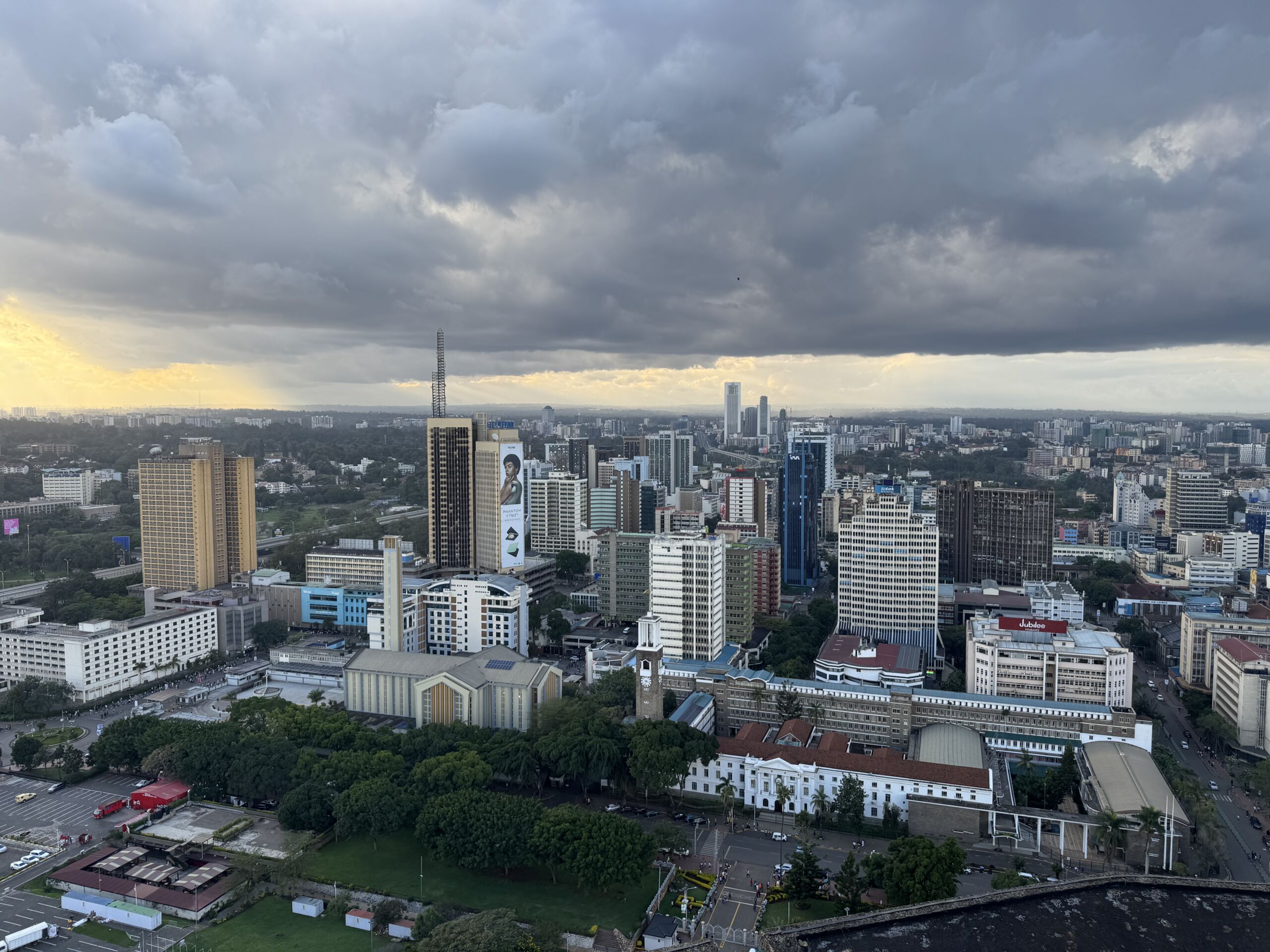
The energy is supercharged in Nairobi, where the Congress will be centered. Nairobi is a city of contrasts. In the shadows of gleaming skyscrapers, a young bull crosses the road, his hump swaying as he trots across the traffic. A few meters from a supermarket, informal vendors lay out blankets and baskets of tomatoes, fruit and vegetables from the countryside.
Motorbike taxis called boda bodas dart in and out of traffic and matatus—elaborately painted mini-buses packed with commuters and blasting music—nose their way through the crowded streets, past hawkers selling nuts, candy, electronics, artwork. The air is filled with the aromas of roasting meat, spiced samosas and fried dough called mandazi, a blend of local African culture with Indian influences from the colonial days.
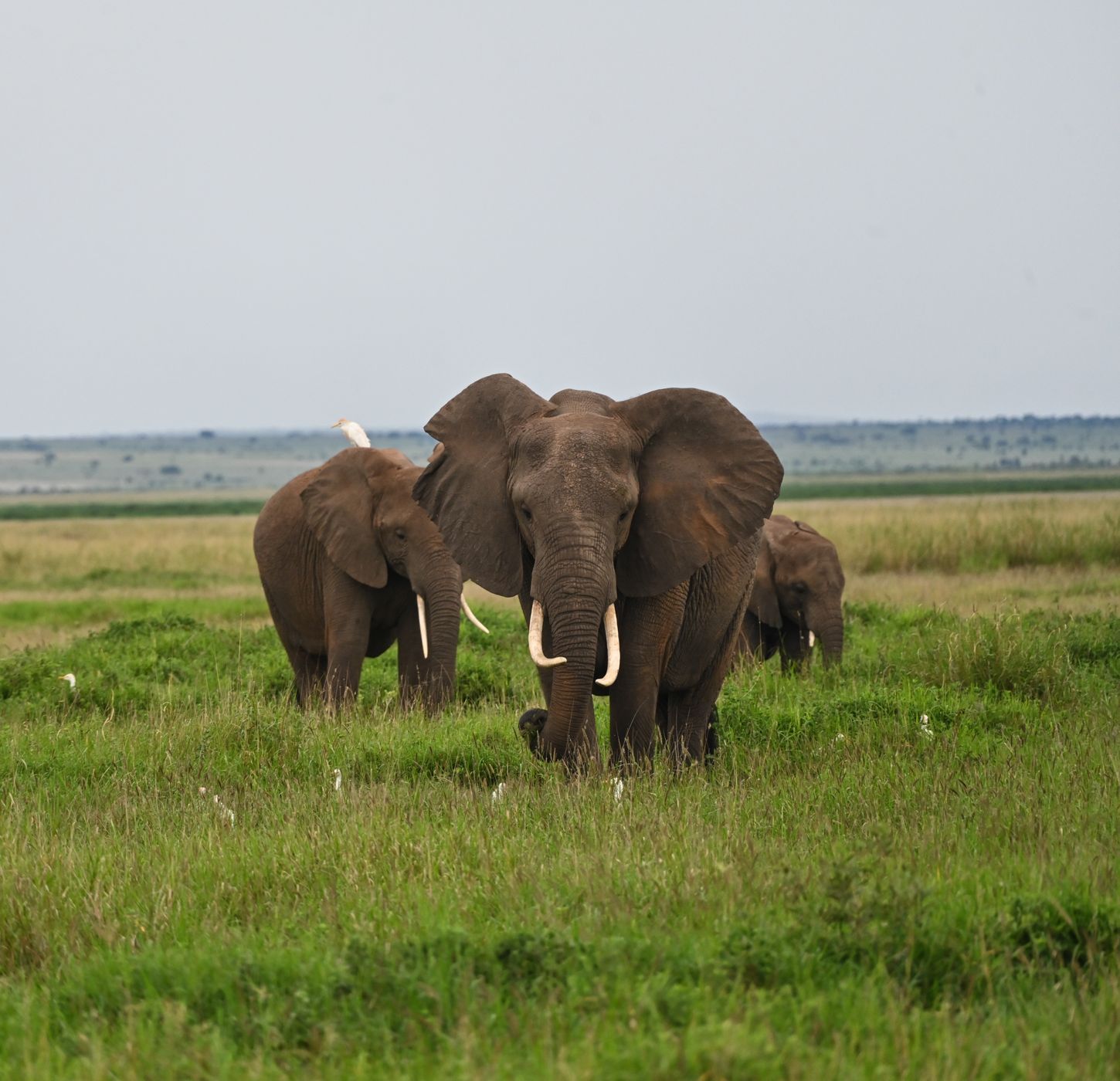
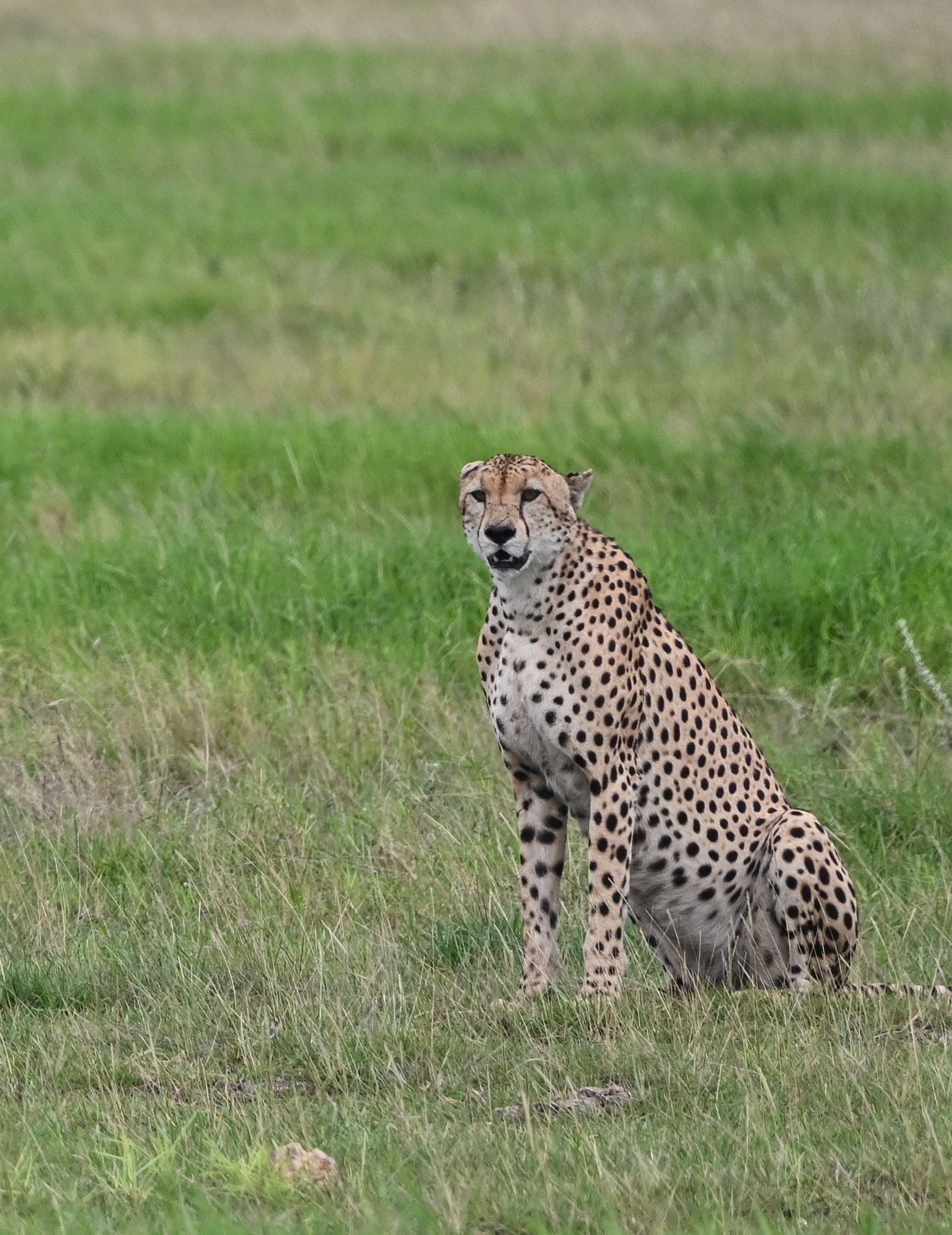
Within city limits, herders graze goats and cattle on the roadside grass. And Nairobi National Park—more than 10,000 square kilometers of wild habitat that is home to lions, leopards, giraffe, buffalo and more—extends right to the boundary of the city.
MESHA has developed a range of great tourism-oriented pre-Congress and post-Congress tour options that focus on the nation’s wildlife. If you’ve only ever seen elephants, zebras and other African wildlife in a zoo or on television, a game drive in a national park is an unforgettable experience.
Diverse Agriculture
Outside of town, the traffic thins and the landscape opens up into semi-arid plains studded with flat-topped acacia trees and forbidding thorny shrubs. Kenyan farmers graze livestock ranging from local goats to humpbacked Zebus to familiar Holstein-Fresian dairy cattle. Large farmers produce coffee, tea, flowers, fruit and vegetables for export. And millions more tend small farms that feed the nation and support 70 percent of the rural population.
Kenya’s farmers and researchers are battling on the front lines of climate change, wrestlng crops of sorghum, millet, maize, beans and sisal out of the scant rainfall and deep-red soil of their semi-arid plains. Where there’s rain, there are bananas, avocados and vegetables. Many producers are exploring new frontiers like rearing black soldier fly larvae as a protein source for their livestock.
MESHA and their partners are eager to share the excitement of Nairobi and the bounty of Kenya’s agriculture with IFAJ at Congress October from 14 to 18, 2025. I cannot wait to experience it.
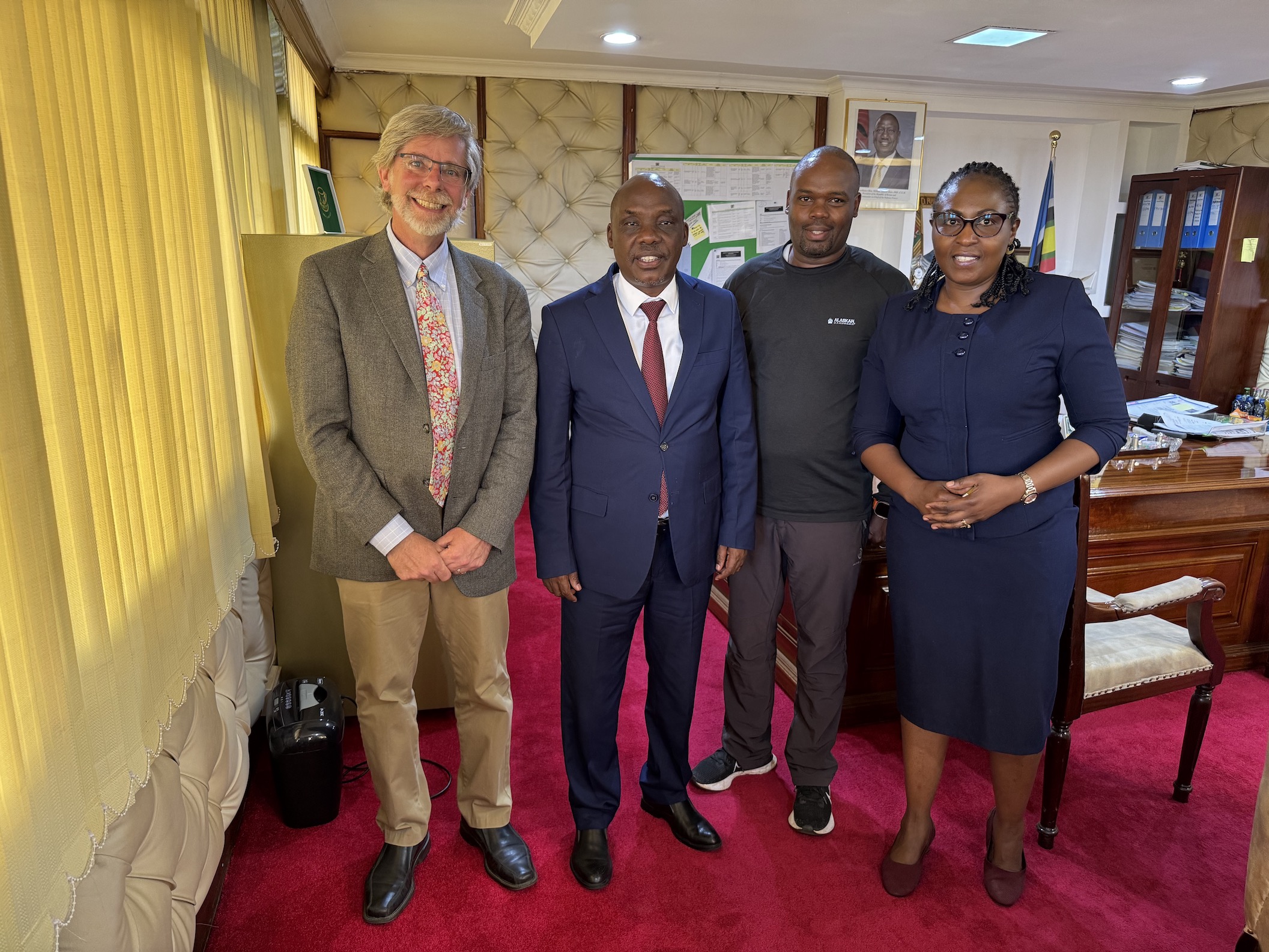
. (Photo: MESHA)
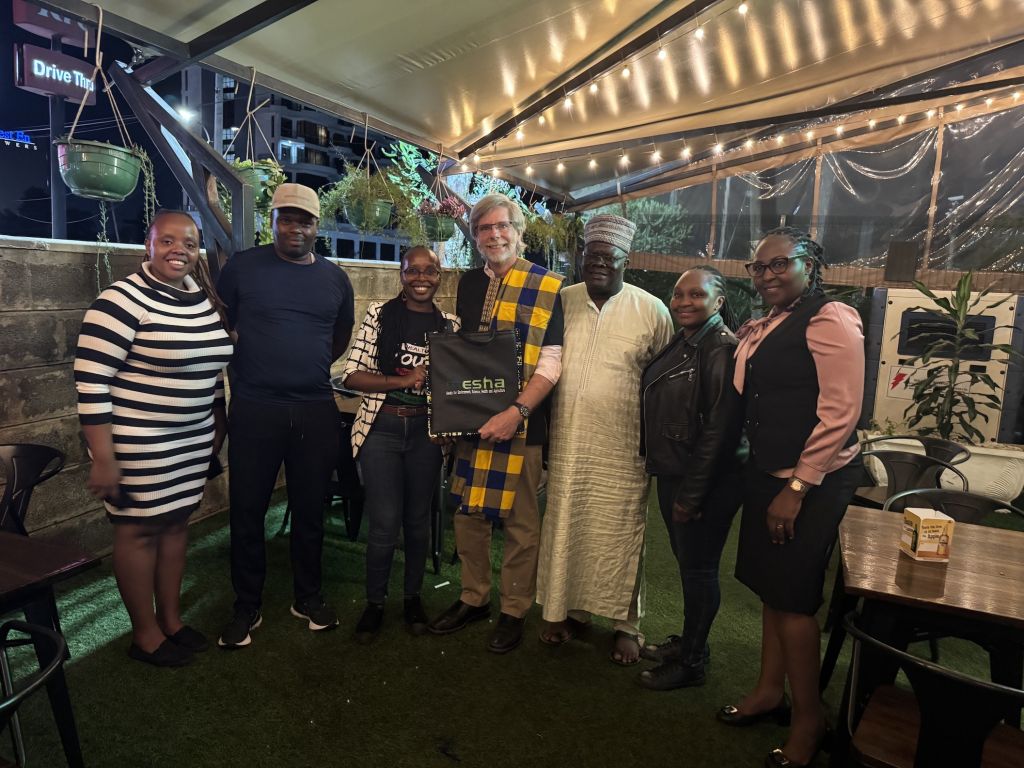
Steve Werblow meets with team MESHA in preparation for the IFAJ Congress 2025. (Photo: MESHA)