One organisation supports access to quality seed and building resilient agri-food systems; the other supports access to quality information and building resilient agri-food communications systems.
It’s this parallel between the International Seed Federation (ISF) and the International Federation of Agricultural Journalists (IFAJ) that makes for a strong partnership between the two organisations, one that’s been steadily building since 2022.
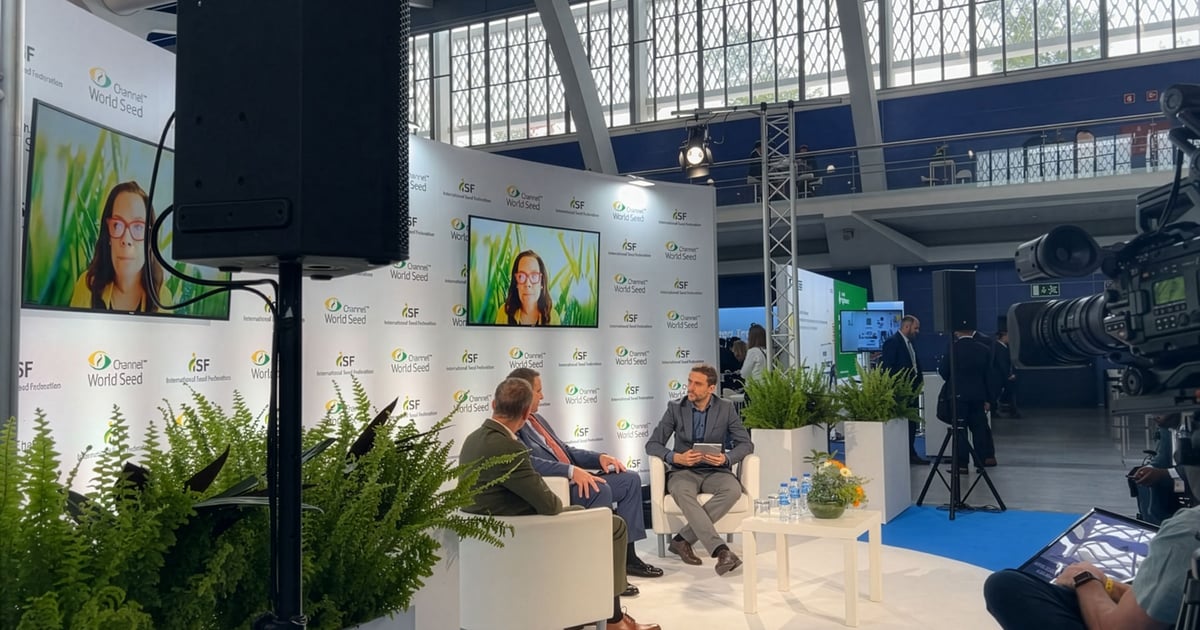
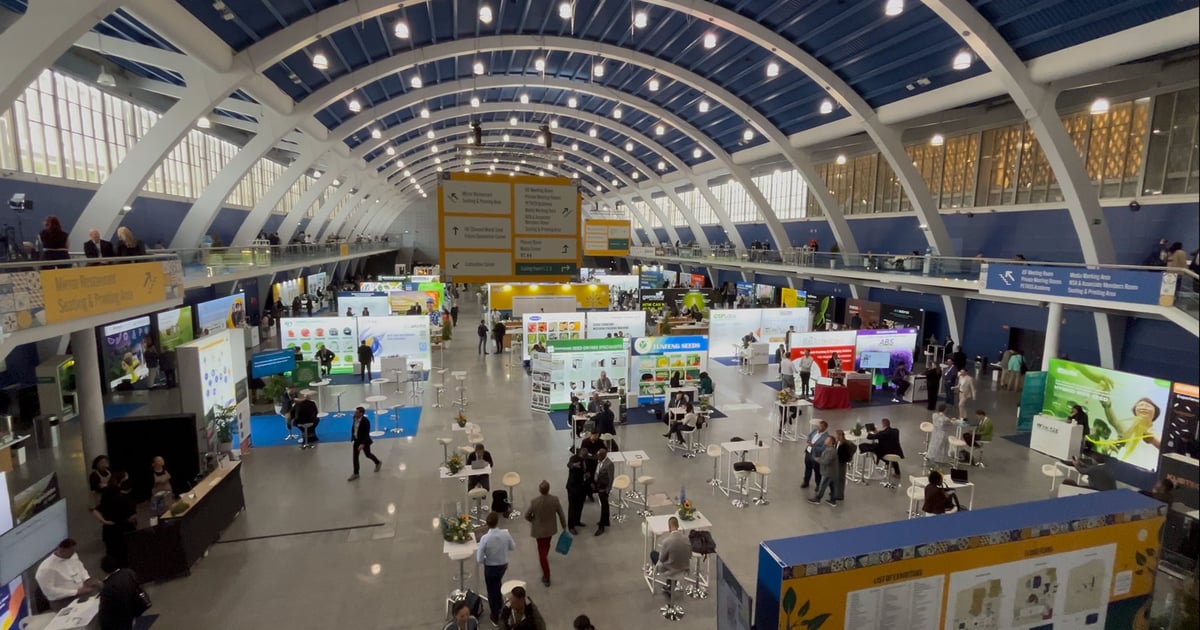
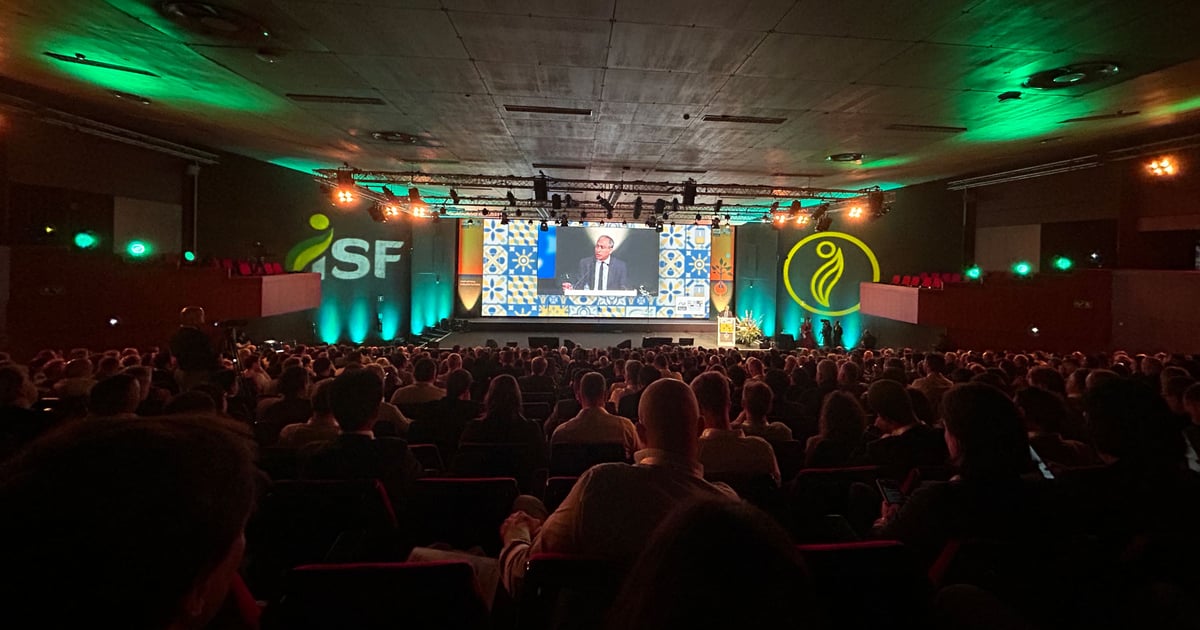
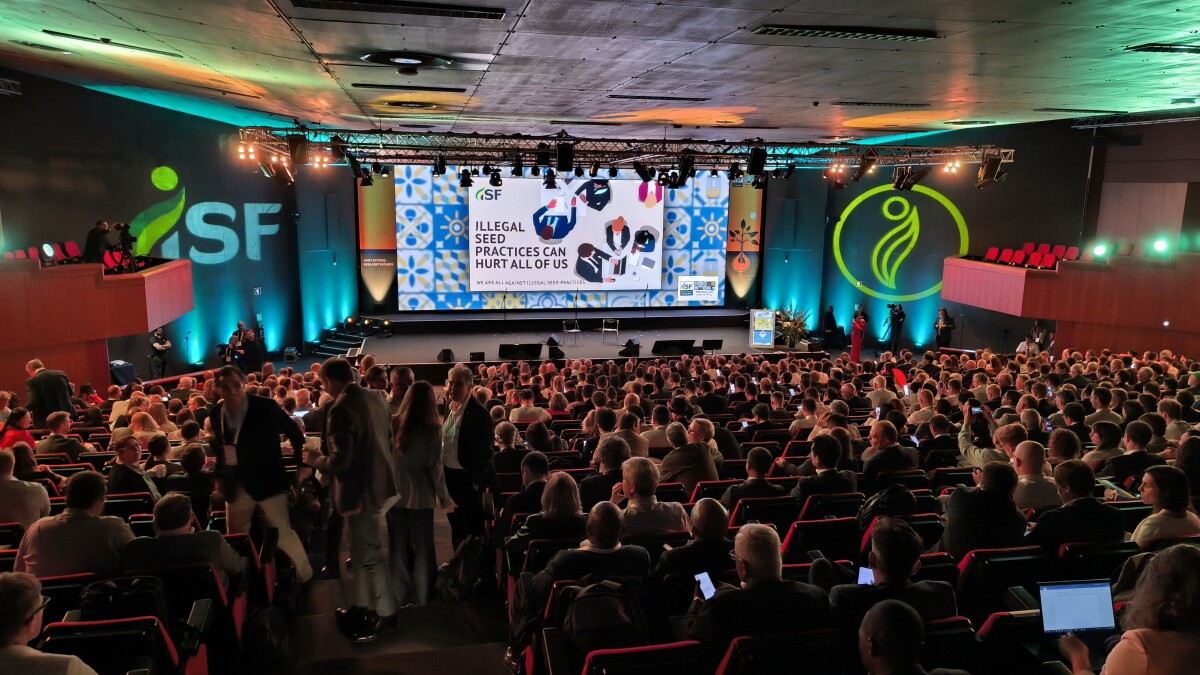
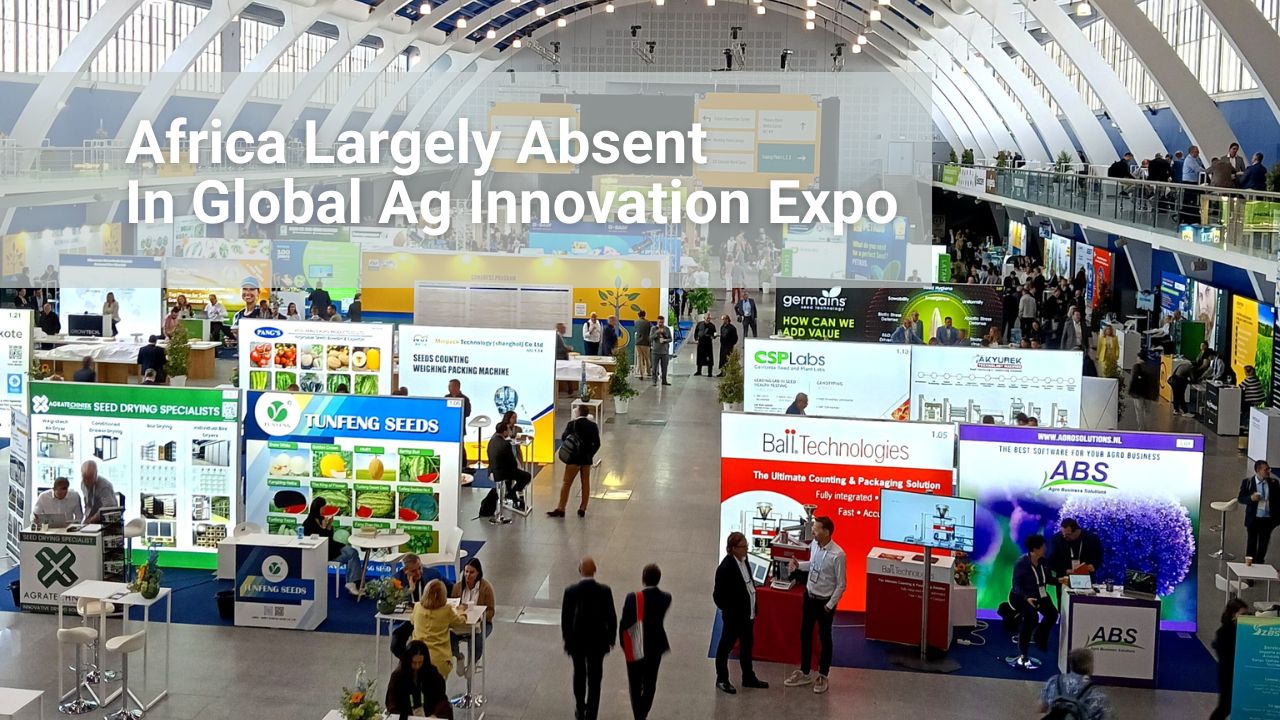
This year, for the third time, IFAJ’s agricultural journalists joined the global seed industry – seed companies, national and regional seed associations, policymakers, researchers, innovators, value-chain partners, and next-generation leaders – congregating in Lisbon, Portugal, for ISF’s World Seed Congress from May 18-20.
There was much to report on, and plenty of people with whom to engage: record attendance this year saw more than 1,700 delegates from 75 countries, representing over 900 companies and organisations, meet in Lisbon, at a time when there is mounting pressure on global agri-food systems, sparked by conflicts and trade restrictions and exacerbated by climate change.
In 2025, two famines were declared in a single year for the first time. This year, recent geopolitical tensions continue to threaten global trade and economic stability. Meanwhile, an estimated 700 million people worldwide – primarily in Africa and Western Asia – still face hunger each year, with experts warning that climate change, including a predicted El Niño event in mid-2026, could push an additional 132 million people in vulnerable contexts into food and nutrition insecurity within five years due to rising temperatures’ impacts on crop yields.
A different story
“It would be easy to look at the state of the world and conclude that international cooperation is in retreat. But the seed industry tells a different story,” said Michael Keller, Secretary General of ISF.
“We are here in Lisbon in record numbers on this critical year because we know that collaboration, innovation, and joint actions are practical and appropriate responses to the scale of the truly global challenges we face now and in the future.”
Seed innovations alone account for 74 percent of the yield gains observed in crops in the European Union, according to S&P Global Commodity Insights. However, the global system of crop variety development depends heavily on cross-border trade, with the typical novel variety bred, tested, produced, and distributed across multiple countries before it reaches a farmer’s hands.
“Seed companies invest up to 30 percent of their turnover in research and development because we believe that innovation is key to solving problems at scale and for generations to come,” said Arthur Santosh Attavar, outgoing ISF President and Managing Chair of the international seed company Indo-American Hybrid Seeds. “ISF continues to work with national and regional seed associations, as well as governments, to create enabling policy environments that help ensure innovations reach farmers quickly and without unnecessary delays or restrictions.”
Panel discussions included the global outlook for seed markets; regulatory alignment on plant breeding innovation and new genomic techniques (NGTs); the biodiversity framework for global plant genetic resources; the launch of the ISF Social Responsibility Guidelines; and a blueprint for inclusive seed systems, among many other conversations taking place on stands, at booths and on the sidelines.
One such discussion came courtesy of IFAJ’s Global Network Partner, Syngenta. Dimitri Houtart, Global Head of External Communications and ex-BBC rural affairs producer, convened a lunch for IFAJ delegates. On the menu – apart from the food – was a truly meaningful conversation about agriculture, communication, and food systems, sharing rich experience and wide-ranging perspectives, and concluding – empirically – that agricultural journalism is among the most important reporting happening today.

IFAJ members in Lisbon were:
- Friday Phiri, Zambia
- Steve Mokaya, Kenya
- Krisztina Toth, Hungary
- Leticija Hrenkovic, Croatia
- Lilian Schaer, Canada
- Luíza Cardoso Costa, Brazil
- Natasha Foote, Belgium
- Raney Rapp, USA
- Rusudan Gigashvili, Georgia
- Siobhán Walsh, Ireland
- Adrian Bell, UK (IFAJ Secretary General)
Field visit
Balancing the ‘theory’ available at Congress with the ‘practical’ elements of breeding stations, greenhouse visits and farms, the ISF field visit provides depth and context to maximise take-home information and story angles.
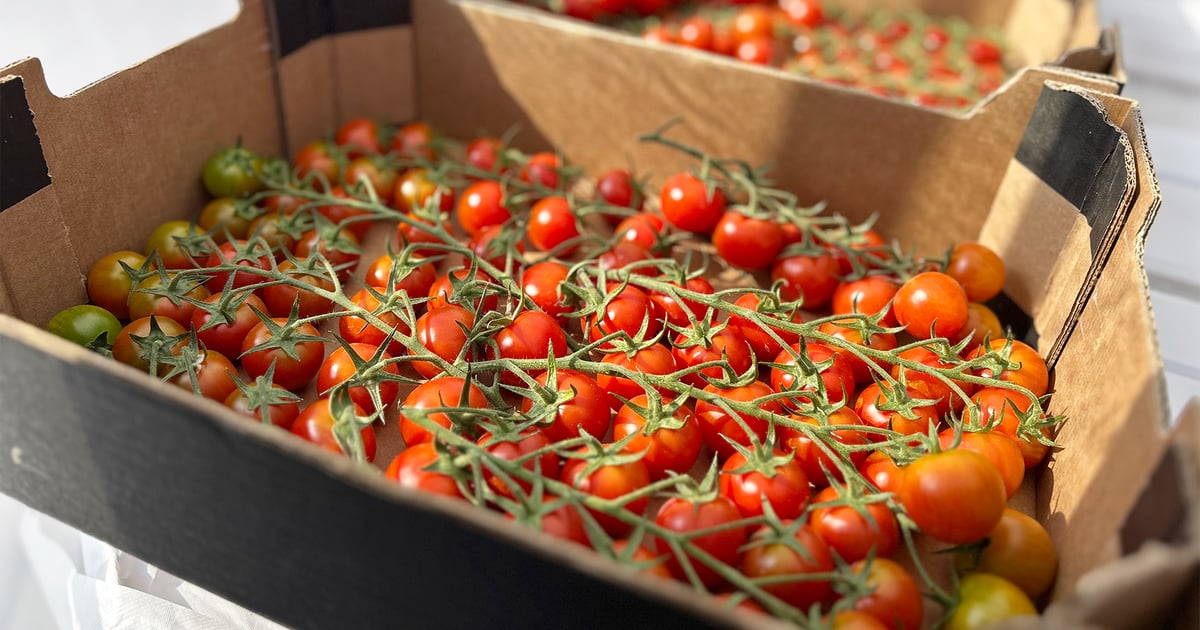
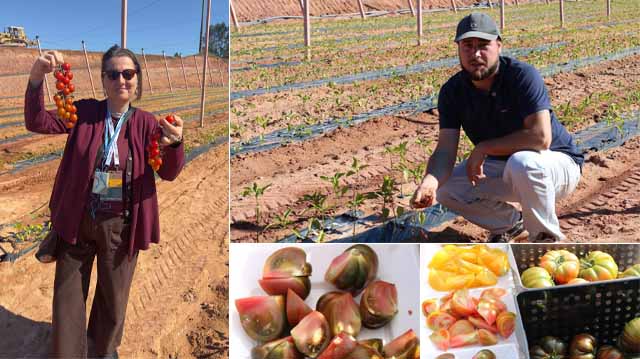
This year was no different. Speaking on a farm a few kilometres north of Lisbon, Alicia Diaz, communications manager with ANOVE (the Spanish national association of plant breeders), explained how breeders seek seed characteristics that will meet expectations throughout the value chain, from a consumer’s preferences for the size, colour and taste characteristics of a tomato, the retailer’s desire for shelf life, and the grower’s need for pest and disease resistance. Each variety, she explained, can cost between €1m-3m to develop; the EU’s forthcoming NGT legislation could, she noted, allow development time to be halved with a corresponding cut of one-third in costs.

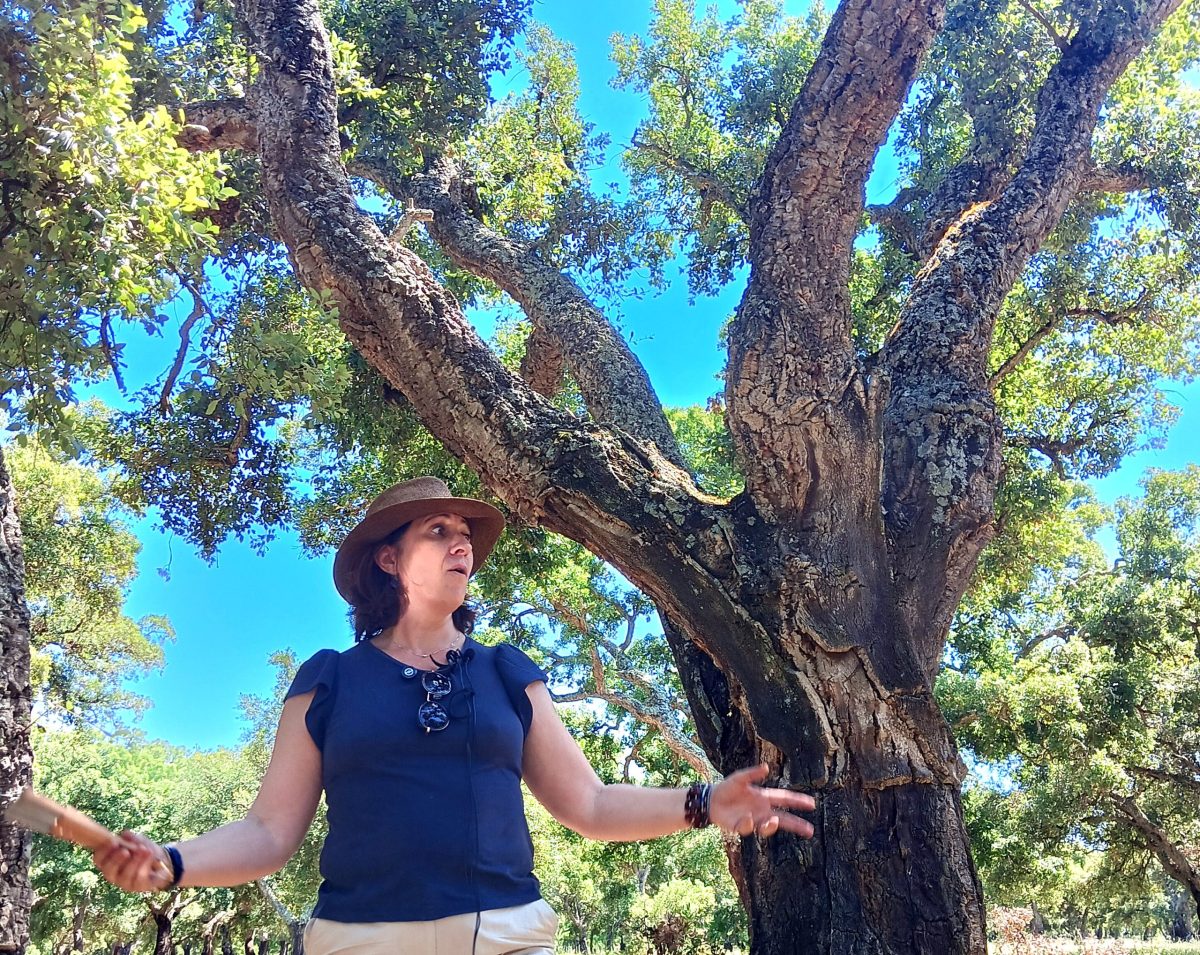
Another fascinating stop was Companhia das Lezírias, the largest agricultural, livestock farming and forestry holding in Portugal. Covering more than 20,000 ha, the government-owned enterprise generates around €3m a year from its activities: rice, maize, beef and vineyards, among others. Its focus, everywhere, is on conservation, sustainability, biodiversity; that makes sense when its most unusual enterprise is its cork oak forest, at 6800 ha the largest in the world. Known as montado or dehesa, this habitat is found only in parts of Portugal, Spain, France and North Africa – a unique habitat that not only provides a versatile natural material but also significant biodiversity value. As host Sandra Alcobia told us, “Drink wine and save the planet!” Not in jest: creating demand for cork and keeping interest in cork, rather than plastic stoppers or screwtops, maintains the market that incentivises good management of these rare forests.
Next year, the ISF World Seed Congress is hosted by Canada, in Toronto. We’ll hope to continue our partnership with ISF to provide another opportunity for IFAJ members to convene, connect and commit – by creating and sharing ‘stories of seed’ with the world.
Here are some of those stories from 2026:
Leticija Hrenković, Croatia
Lilian Schaer, Canada
As a freelance agricultural journalist and corporate writer for the past 20 years, I have a lot of experience covering the depth and breadth of our sector in Canada and from international perspectives. Attending the World Seed Congress through the partnership between IFAJ and the International Seed Federation gave me a completely new appreciation for seed and its central role in global food production, innovation and food security. It was an exceptional opportunity to learn from industry leaders, build new connections and bring global content to Canadian farmers they wouldn’t otherwise see.Lilian Schaer, Canada
Friday Phiri, Zambia
Rusudan Gigashvili, Georgia
Steve Mokaya, Kenya




Luiza Costa, Brazil



#Seed #WorldSeed2026 #Day1".

Run for seed resilience | WSC 2026
#run #seed #worldseed2026
Eu não sou corredora mas essa é uma boa causa 🤷🏻♀️😂🌱".
Krisztina Toth, Hungary

Raney Rapp, USA