


The Exposure-4-Development program is back…this time, 12 IFAJ member journalists will go to Vietnam and Thailand for a story-packed agenda on two fascinating agricultural nations. Application deadline is July 31!

“With the right conditions, agriculture could be the solution to many of our future challenges, such as climate change, loss of biodiversity and even political instability. But we need the right methods, systems and governance. Experienced and well educated agricultural journalists could be an important part of this.”

We look forward to welcoming top-class speakers such as Swiss Minister of Agriculture Guy Parmelin and Nestlé CEO Mark Schneider. Their contributions promise exciting insights and valuable discussions.

“As a manufacturer of tires, which are a highly technical tool for farmers, we appreciate how important it is for journalists to convey complicated information skillfully. We are proud to help IFAJ reward the best in the industry and promote professional development worldwide.”

“GFAJ is, at this stage, an open book of blank pages, waiting to be written. You’ll have a real sense of making a difference, working to further GFAJ’s charitable causes, and benefiting from new experiences and relationships.”

“The IFAJ/Alltech Young Leaders program is more than just an award to recognize rising young stars in our industry—it provides training, networks and contagious energy to tomorrow’s guild and federation leaders.”

“As a journalist, I experienced being served both important agendas and the best sources on a silver platter, which gave me the opportunity to create many good and important stories.”

How do agricultural journalists in Europe operate? How important are the ag media? What are their problems and what can we learn from each other?
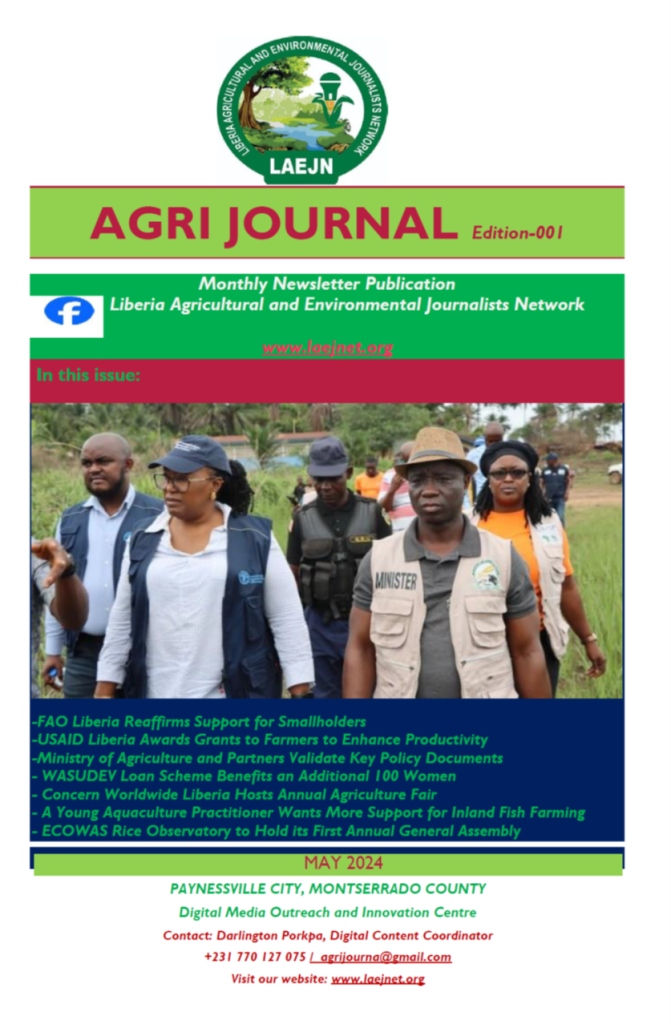
An essential objective of the LAEJN newsletter is to increase the cadre of journalists in Liberia who report on agriculture and environmental news. This initiative seeks to enhance the quality and quantity of reporting in these areas, fostering a more informed and engaged public.

But for the large majority of IFAJ members, English is a second, third or fourth language. That makes it difficult for many people to follow presentations and discussions. Here are some tips for clear communications.